
In the digital age, online games have evolved beyond just entertainment; they have become tools for fostering teamwork, communication, and collaboration. Many multiplayer online games are now designed to encourage players to work together strategically to achieve common goals. These games not only provide a fun experience but also help develop critical skills such as problem-solving, leadership, and adaptability. For individuals or teams looking to enhance their collaborative abilities while having fun, several online games stand out.
One of the most popular choices is “Among Us,” a game that tests players’ ability to communicate effectively and think critically under pressure. In this game, team members must complete tasks aboard a spaceship while identifying impostors within their group. It requires sharp observation skills and seamless teamwork as players debate and discuss potential suspects during meetings. The social deduction aspect makes it an engaging way to build trust among teammates.
Another excellent option is “Overcooked 2,” a fast-paced cooking simulation game where players manage chaotic kitchens by preparing meals under tight deadlines. Success in this game depends on clear communication and efficient delegation of tasks among team members. Players quickly learn how important it is to coordinate actions in real time while staying calm under 카지노총판모집 stress—a skill that translates well into real-world scenarios.
For those interested in immersive worlds with strategic depth, “Fortnite” offers an exciting platform for collaboration. While Fortnite is often known for its battle royale mode, its creative mode allows teams to build structures collaboratively or tackle challenges together. Working towards victory requires effective planning, resource management, and synchronized execution—qualities essential in any team setting.
“World of Warcraft” (WoW) remains one of the best-known MMORPGs (Massively Multiplayer Online Role-Playing Games) for fostering teamwork at a larger scale. From completing quests with small groups to participating in large-scale raids involving dozens of players, WoW emphasizes coordination across different roles like healers, tanks, and damage dealers. This dynamic encourages diverse skill sets within teams while promoting collective success over individual achievements.
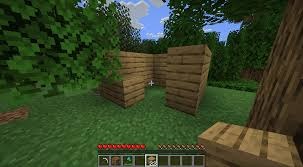
Lastly, “Minecraft” deserves mention due to its open-ended design that nurtures creativity and collaboration simultaneously. Whether building expansive cities or solving puzzles together on custom maps created by other users worldwide, Minecraft fosters innovation through shared effort.
Online gaming has proven itself as more than just leisure—it’s an avenue for meaningful interaction where teamwork thrives organically through playfulness and challenge alike!